
For the purposes of this post we’re going to focus simply on what Rene Caisse developed as today’s 4-herb essiac blend, including sheep sorrel roots. This is important to state up front because we want to recognize the many different takes there are on essiac, but our recommendation is that you stick with the time-tested version we’re going to describe below. Why change it if it works, right?
The 4 herbs of Essiac
As mentioned above we’re going to focus on the 4-herb version, developed by a Canadian Nurse named Rene Caisse. Unlike most teas, which are infusions of herbs over short steeping periods, essiac is made as a decoction. Decoctions are made over longer steeping periods to pull out necessary ingredients from the herbs. Essiac tea includes 4 herbs: Sheep Sorrel with roots included, Burdock Root, Slippery Elm, and Turkey Rhubarb. Let’s take a closer look at each herb below.
Sheep Sorrel – Rumex Acetosella
Known as red sorrel or sour grass, sheep sorrel is an important component to essiac tea. Typically it is coarse/ground or found powdered in tea mixtures. Sheep sorrel leaves are described as narrow and pointed with distinctive tails where the leaf joins the stalk and the plant can grown 12-18″ (30-45 cms) in height.

Photo courtesy of zionheritage.wordpress.com 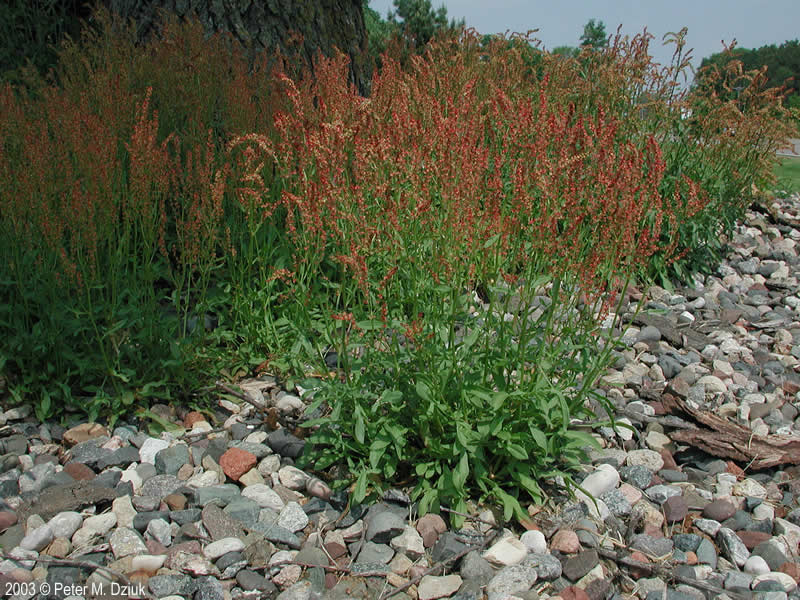
Photo courtesy of Minnesota wildflowers 
cut and dried sheep sorrel – photo courtesy of mountainroseherbs.com
Burdock Root – Arctium lappa
This ingredient provides the essiac decoction most of it’s color and taste. The roots are used and are chopped to the size of small peas in most essiac tea herb blends. It grows up to 5ft tall (1.5m) and has broad, heart shaped leaves with spiky purple floret balls.

Photo courtesy of wildfooduk.com 
Photo courtesy of ediblewildfood.com 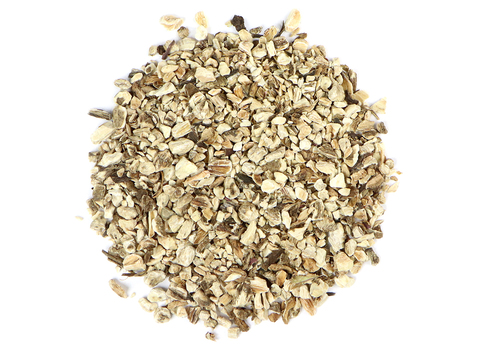
Cut and dried Burdock root – photo courtesy of mountainroseherbs.com
Slippery Elm – Ulmus rubra
Known also as Moose Elm, Indian Elm or Red Elm, the inner bark of this tree provides the essiac decoction with it’s often gel-like substance floating throughout the tea. Growing up to 60′ (18.25 m) in height, these trees can last up to 200 years. Carefully harvested bark is used after a tree’s inner bark is at least 10 years old. The inner bark is found cut and dried or powdered in essiac tea blends.

Slippery elm leaves – photo courtesy of ohnature.net 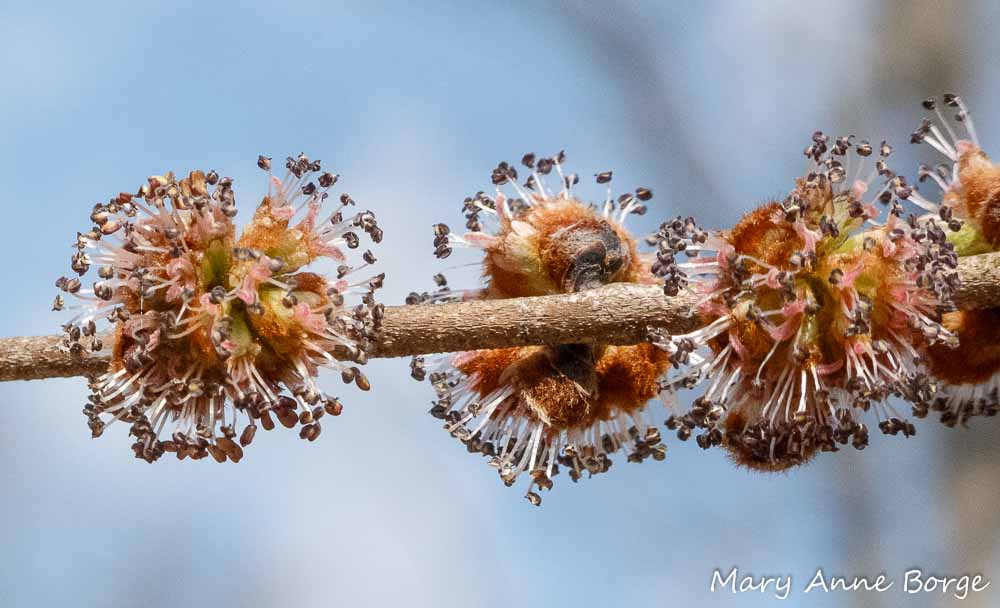
slippery elm blooms – photo courtesy of the-natural-web.org 
Cut and dried slippery elm – photo courtesy of mountainroseherbs.com
Turkey rhubarb – Rheum palmatum
Known for it’s ability to reduce inflammation and relieve pain, this root has been widely used for centuries. It is known to have laxative properties which help cleanse the gut. Flower stalks of the plant can grow up to 8′ (2.43 m) in height and have massive root systems that weigh upwards of 30 lbs. The roots of this plant are used as either cut and dried or powdered in essiac tea blends.

Turkey rhubarb – photo courtesy of healthbenefitstimes.com 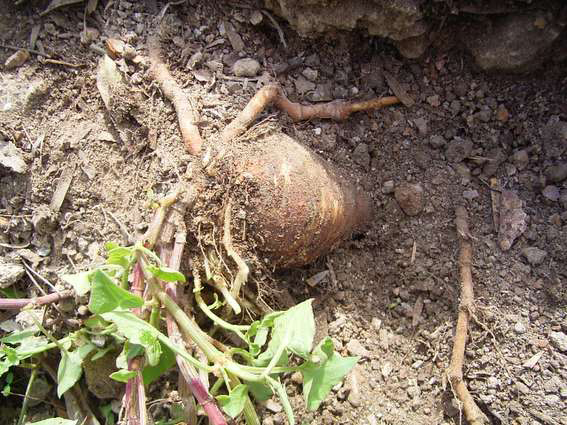
Turkey rhubarb root – photo courtesy of healthbenefitstimes.com 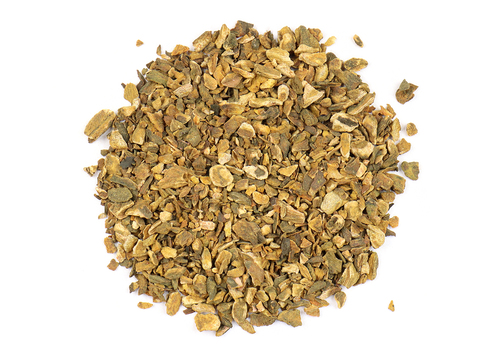
Cut and dried turkey rhubarb – photo courtesy of mountainroseherbs.com
Next up, Where do I purchase Essiac?
- Essiac for Pets
- Essiac Ingredients
- Essiac Vendors
- History of Essiac
- Making Essiac
- Resources
- Taking Essiac
- Testimonials
- Uncategorized
MEDICAL DISCLAIMER
This web site is not designed to, and does not, provide medical advice. All content, including text, graphics, images and information available on or through this web site are for general informational purposes only. The content is not intended to be a substitute for professional medical advice, diagnosis or treatment. You take full legal responsibility for whatever decisions you make regarding your own health care. This material is offered solely for educational purposes. The suggestion is that you think clearly for yourself and make your own decisions, with the input of a licensed health professional should you choose to consult one.


Hi Judy, our vendor list is here: https://essiaclibrary.com/2020/05/13/where-do-i-purchase-essiac/?preview_id=11&preview_nonce=0b26f8980f&preview=true
LikeLike
I would like to buy this tea
LikeLike